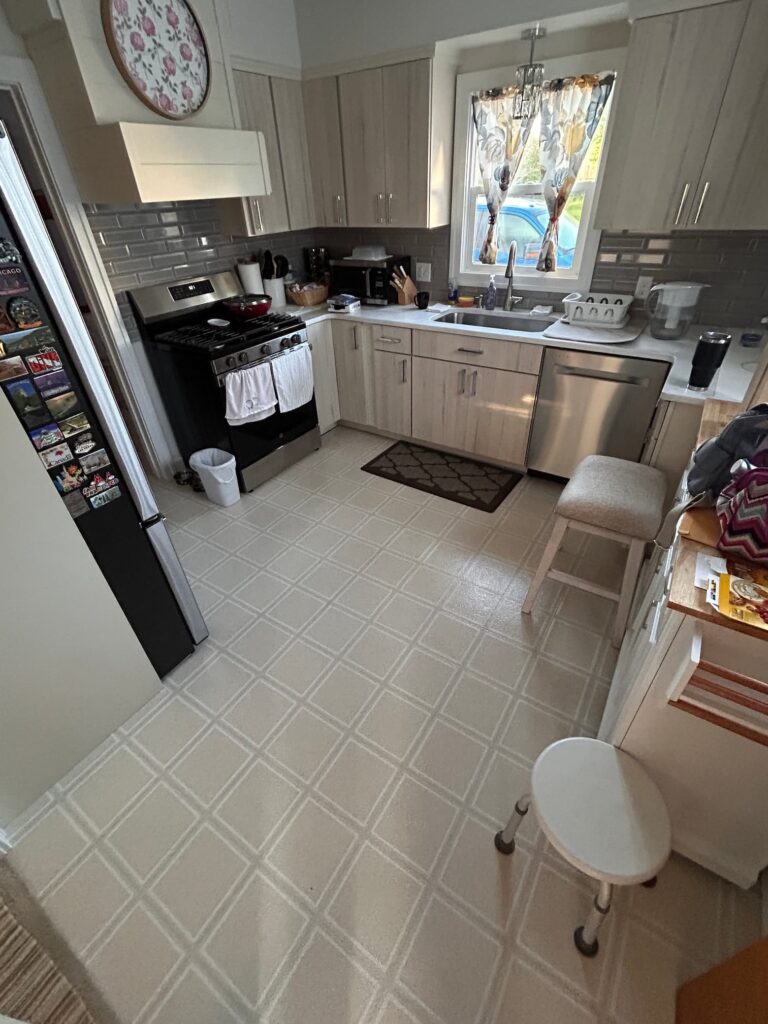
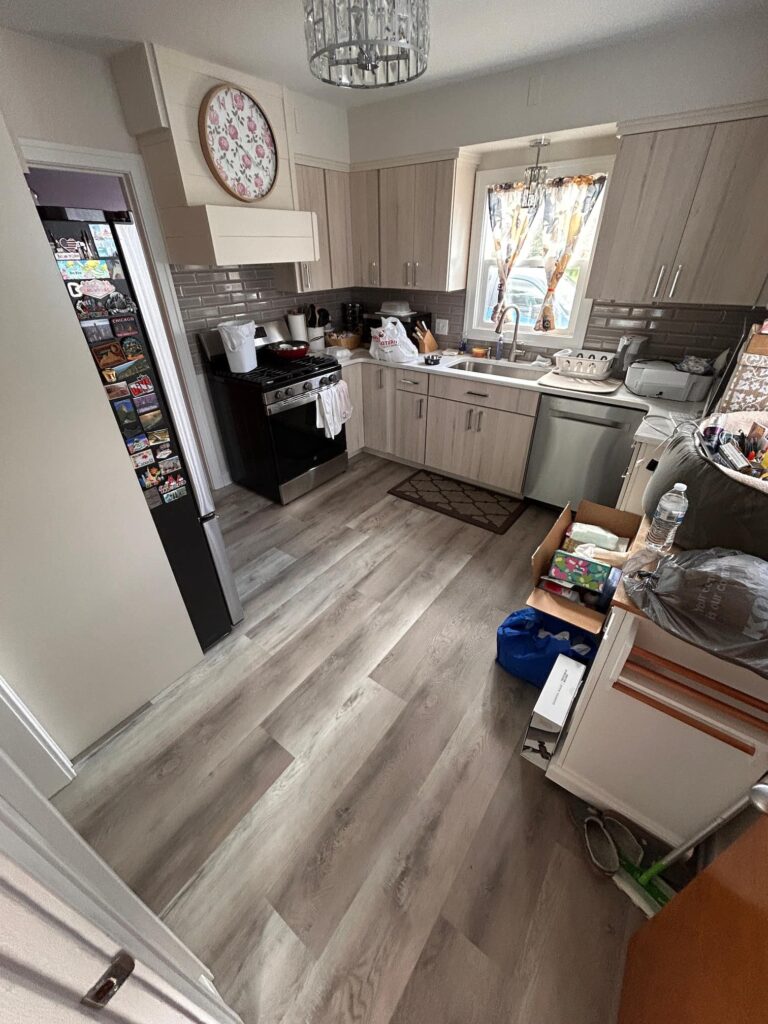
Tile Floor Installation in Grand Rapids, Jenison & West Michigan
Ceramic Tile • Porcelain Tile • Bathroom Tile • Kitchen Tile • Shower Tile • Entryway & Mudroom Tile Installation
Durable, low-maintenance, moisture-friendly flooring installed with layout precision, strong prep, clean transitions, and long-term performance in mind.
Professional Tile Installation Near Grand Rapids
If you are searching for tile floor installation in Grand Rapids, Jenison, Grandville, Hudsonville, Wyoming, or nearby West Michigan communities, Local Flooring Installation provides professional tile work built around clean preparation, accurate layout, strong bonding methods, and a finished result that looks intentional from every angle.
Tile flooring remains one of the most trusted flooring choices for kitchens, bathrooms, laundry rooms, mudrooms, entryways, and other hard-working areas of the home because it offers long-term durability, design flexibility, and excellent resistance to everyday moisture exposure. The Tile Council of North America (TCNA) publishes installation guidance and recognized methods used throughout the tile industry, while the National Tile Contractors Association (NTCA) provides education and standards support for quality tile installation practices. :contentReference[oaicite:2]{index=2}
Whether you are upgrading a dated bathroom floor, building a custom tile shower, installing a durable kitchen floor, or finishing a high-traffic mudroom that needs to stand up to snow, salt, and wet shoes, the install matters just as much as the tile itself.
Why Tile Flooring Is One of the Smartest Flooring Investments
Tile flooring has stayed popular for decades because it solves real problems for homeowners. In rooms where spills, moisture, tracked-in dirt, pet traffic, and regular cleaning are common, tile gives you a hard-wearing surface that holds up extremely well over time.
- Extremely durable: great for high-traffic spaces and everyday use
- Moisture-friendly: excellent for bathrooms, laundry rooms, and kitchens
- Easy to maintain: simple routine cleaning compared with many soft-surface floors
- Design flexibility: available in wood-look, stone-look, large-format, mosaic, matte, polished, and patterned styles
- Long-term value: quality tile work can improve function, appearance, and resale appeal
- Great with radiant heat: tile is often paired with heated floor systems in Michigan homes
The Architectural Digest flooring guide and This Old House flooring resources both highlight tile as one of the most durable and practical surfaces for moisture-prone interior spaces. Tile is especially useful in Michigan homes where winter weather, slush, and salt create constant wear on entry areas and mudrooms.
Our Tile Installation Services
Ceramic Tile Installation
Affordable, versatile, and available in a wide range of sizes, colors, and finishes for kitchens, bathrooms, laundry rooms, and general living spaces.
Porcelain Tile Installation
Dense, highly durable, and well-suited for wet areas, busy homes, entryways, and large-format modern floor designs.
Bathroom Tile Installation
Bathroom floors, walls, tub surrounds, shower surrounds, backsplashes, and moisture-aware tile systems built for long-term performance.
Kitchen Tile Installation
Durable kitchen floors and backsplash areas that handle spills, cleaning, and daily foot traffic while elevating the look of the room.
Shower Tile Installation
Custom shower tile systems with waterproofing planning, slope awareness, drain detailing, and clean visual finishing.
Tile Replacement & Repair
Upgrade worn, cracked, outdated, or poorly installed tile floors and problem areas with a stronger long-term plan.
Tile Installation in West Michigan: What Actually Matters
A lot of tile pages online talk only about style, but performance starts underneath the tile. Tile is not forgiving. If the base is not flat enough, if the underlayment choice is wrong, if the movement joints are ignored, or if waterproofing is handled casually in a wet area, even expensive tile can end up disappointing. That is why the process matters.
The TCNA Handbook is one of the most recognized sources in the tile industry for approved installation methods, and the Ceramic Tile Education Foundation is another respected resource focused on education and tile installation knowledge. Together, those sources reinforce a simple truth: long-term tile performance depends on proper preparation, proper materials, and proper installation technique.
Tile Types and Where They Work Best
Ceramic tile is often chosen for its cost-effectiveness, wide design range, and reliable indoor performance. It works well in many residential settings where homeowners want style and durability without pushing into the price range of more premium materials.
Porcelain tile is denser and often preferred for higher-traffic spaces, moisture-prone rooms, and demanding areas where durability matters most. It is a strong choice for bathrooms, kitchen floors, mudrooms, and entryways.
Natural stone tile can create a premium look, but it also comes with unique maintenance and installation considerations. For many homeowners, modern porcelain now delivers a similar visual effect with easier care and more predictable performance.
Why Tile Makes Sense in Michigan
Michigan weather is one of the strongest arguments for tile in the right areas. Snow, slush, salt, wet boots, umbrellas, pets, and heavy coats create a constant cycle of mess at doors and transitional spaces. Tile gives homeowners a surface that is easier to clean and better suited for that real-world use pattern than many other flooring materials.
The National Weather Service and regional climate data help explain why flooring decisions in West Michigan should account for wet seasons, freeze-thaw cycles, and tracked-in debris. Tile is especially practical in mudrooms, entries, and bathrooms because it handles that daily abuse well.
Subfloor Preparation Is Everything
One of the biggest reasons tile installations fail early is poor prep. If the subfloor is uneven, weak, damaged, or moving too much, the tile system above it is at risk. Good tile installation begins by evaluating flatness, structure, transitions, height buildup, and the right setting surface for the specific application.
- Subfloor evaluation and prep
- Underlayment planning
- Flatness correction where needed
- Layout and focal point planning
- Transition and threshold detail work
- Movement accommodation planning
- Moisture-aware strategy in wet areas
The ASTM International standards library is widely referenced across building materials and testing, and while homeowners do not need to read standards documentation line by line, the takeaway is clear: surface preparation is not an optional detail. It is part of the result.
Bathroom Tile and Shower Tile Need More Than Good Looks
Bathroom and shower tile installations need to do more than look sharp in photos. Wet-area systems require careful attention to waterproofing, slope, drain integration, tile size selection, grout joint consistency, and finishing details. This is where the difference between a cosmetic tile job and a professionally planned installation becomes obvious.
When homeowners search for bathroom tile installation near Grand Rapids or shower tile installers in West Michigan, they are often trying to avoid exactly the kinds of problems that come from rushed prep and weak waterproofing decisions. The point is not just getting tile on the wall or floor. The point is building a tile system that lasts.
Tile Layout Changes the Entire Look of the Room
Tile is one of the few flooring materials where layout dramatically changes the finished appearance. Straight lay, brick pattern, diagonal, herringbone, large-format grid, and custom pattern work all create a different visual feel. Good layout balances the room, protects focal lines, and avoids awkward small cuts at highly visible edges whenever possible.
That is why quality tile installation is never just about sticking material to a floor. It is about planning the finished look before the first piece is set.
Tile vs Other Flooring Types
Tile is not the right answer for every room, which is why a strong flooring company should make it easy to compare options. If your goal is warmth and natural character in dry living spaces, you may also want to review hardwood floor installation. If your priority is moisture resistance with a wood-look appearance through larger sections of the home, review vinyl plank flooring installation. If you want an affordable wood-look option in dry areas, see laminate floor installation. If you need a durable soft-surface commercial-style option, you can also explore carpet tile installation.
For the right areas, though, tile remains one of the strongest long-term flooring decisions you can make.
Best Places for Tile Flooring
Kitchen Tile Floors
Strong against spills, regular cleaning, dropped items, and heavy daily use in one of the busiest spaces in the home.
Bathroom Tile Floors
A top choice for moisture-prone rooms where durability and easy cleaning are essential.
Mudrooms & Entryways
Excellent for Michigan weather, wet shoes, salt, snow, and high-traffic transitional spaces.
Laundry Rooms
Moisture-friendly and practical in utility spaces where water exposure can happen.
Basements
Often a strong option for finished lower-level areas depending on the project and substrate conditions.
Commercial & Light Commercial
Useful where hard surface durability, appearance, and cleanability all matter.
Explore More Flooring Services Across West Michigan
Looking at more than one flooring option? These related pages make it easy to compare flooring materials, room applications, and local service areas.
Core Service Pages
Main Local Pages
Grand Rapids Flooring Pages
Helpful Site Pages
Authoritative Tile & Flooring Resources
These industry and home-improvement resources help explain why proper tile selection, preparation, waterproofing, and installation standards matter:
- Tile Council of North America (TCNA) — recognized tile installation methods and guidance
- National Tile Contractors Association (NTCA) — contractor education and tile installation best practices
- Ceramic Tile Education Foundation — tile education resources
- ASTM International — standards referenced across construction materials and testing
- This Old House Flooring — practical flooring guidance for homeowners
- Architectural Digest Flooring Guide — comparative flooring education
- National Weather Service — useful context for Michigan weather and entryway flooring needs
Tile Installation FAQ
How long does tile floor installation usually take?
Many tile floor projects take around 2 to 4 days, but timing depends on room size, tile type, pattern complexity, surface prep, cure times, and whether waterproofing work is involved.
Is porcelain tile better than ceramic tile?
Porcelain is often denser and a better fit for higher-traffic or wetter environments, while ceramic can still be a great option depending on the room, design, and budget.
Can tile be installed over concrete?
Yes, in many cases, but the slab still needs evaluation for flatness, condition, cracks, and the right installation approach.
Is tile good for Michigan entryways and mudrooms?
Yes. Tile is one of the best flooring choices for entry and mudroom areas because it handles wet shoes, snow, salt, and frequent cleaning well.
Do you install shower tile?
Yes. Shower tile projects require waterproofing planning, slope awareness, drain detailing, and careful finishing to perform well long-term.
What other flooring should I compare tile against?
Tile is excellent for wet or hard-working spaces, while vinyl plank flooring, hardwood flooring, and laminate flooring may be stronger fits in other parts of the home.
Get a Free Tile Installation Quote
Need tile flooring in Grand Rapids, Jenison, Grandville, Hudsonville, or nearby West Michigan? Let’s map out the right tile, the right prep, and the right installation plan for your space.
Serving Grand Rapids, Jenison, Grandville, Wyoming, Hudsonville, Kentwood, Allendale, Zeeland, Holland, Walker, and nearby West Michigan communities.